by YougurtOn the main page 29 September to 3 October 2026Turn to the page
folio 1
Reflections
Between residents the book lies open here. This page holds what readers said about the pages just bound: a line or two, where it was said, and which page it was about.
Anonymous, under your name, or under a pseudonym, whichever you choose, even nothing at all.
Welcome to The Ledger
Here you will find residents contributing to the Ethereum ecosystem in all shapes and forms.
Everything is in their own words, it is their page always.
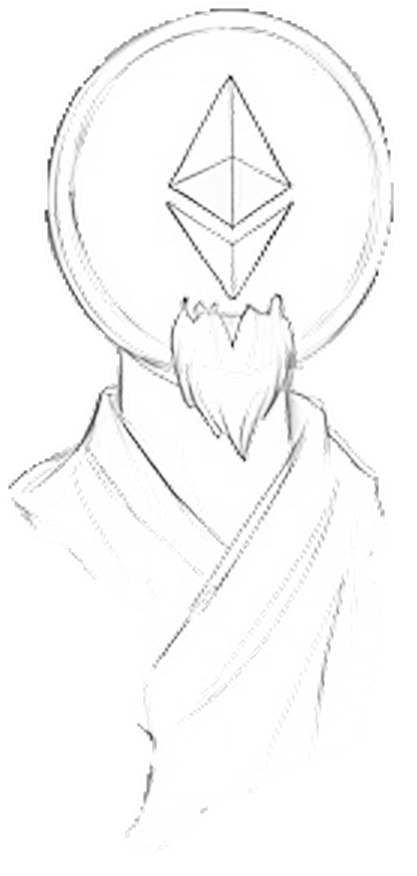
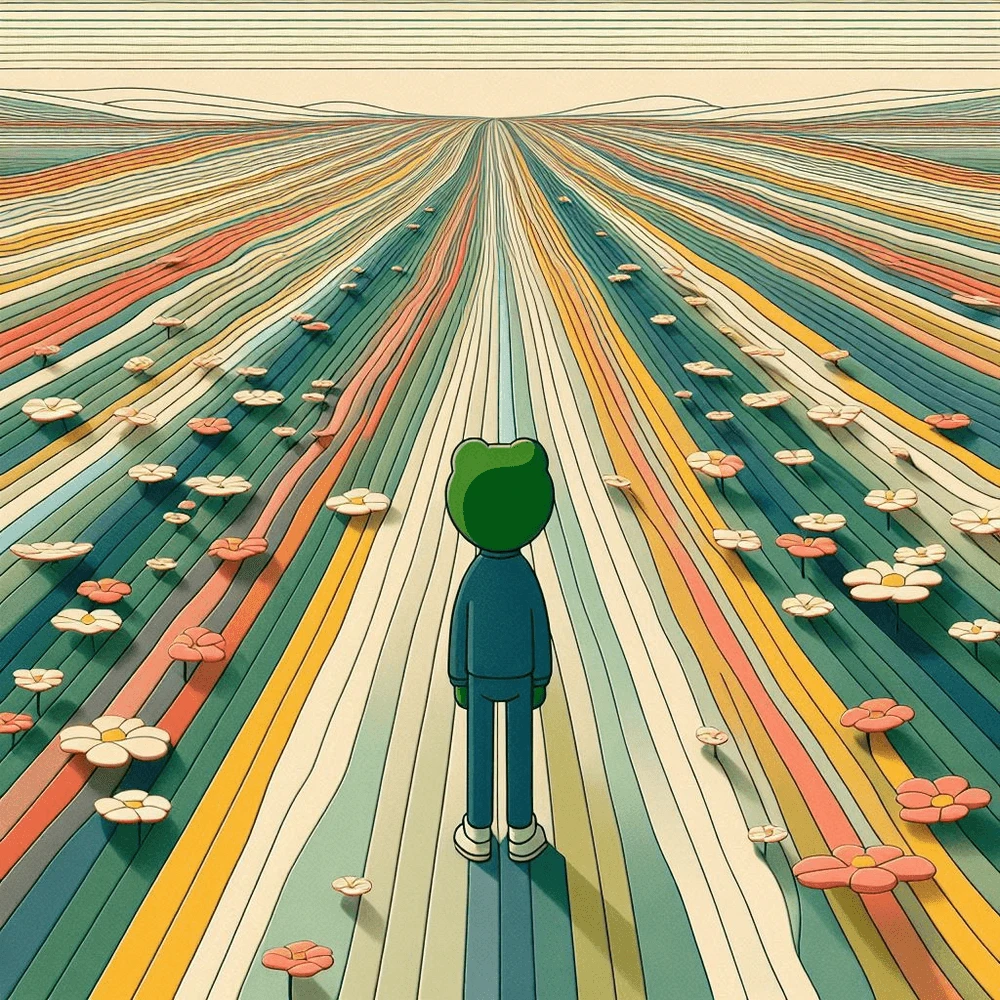
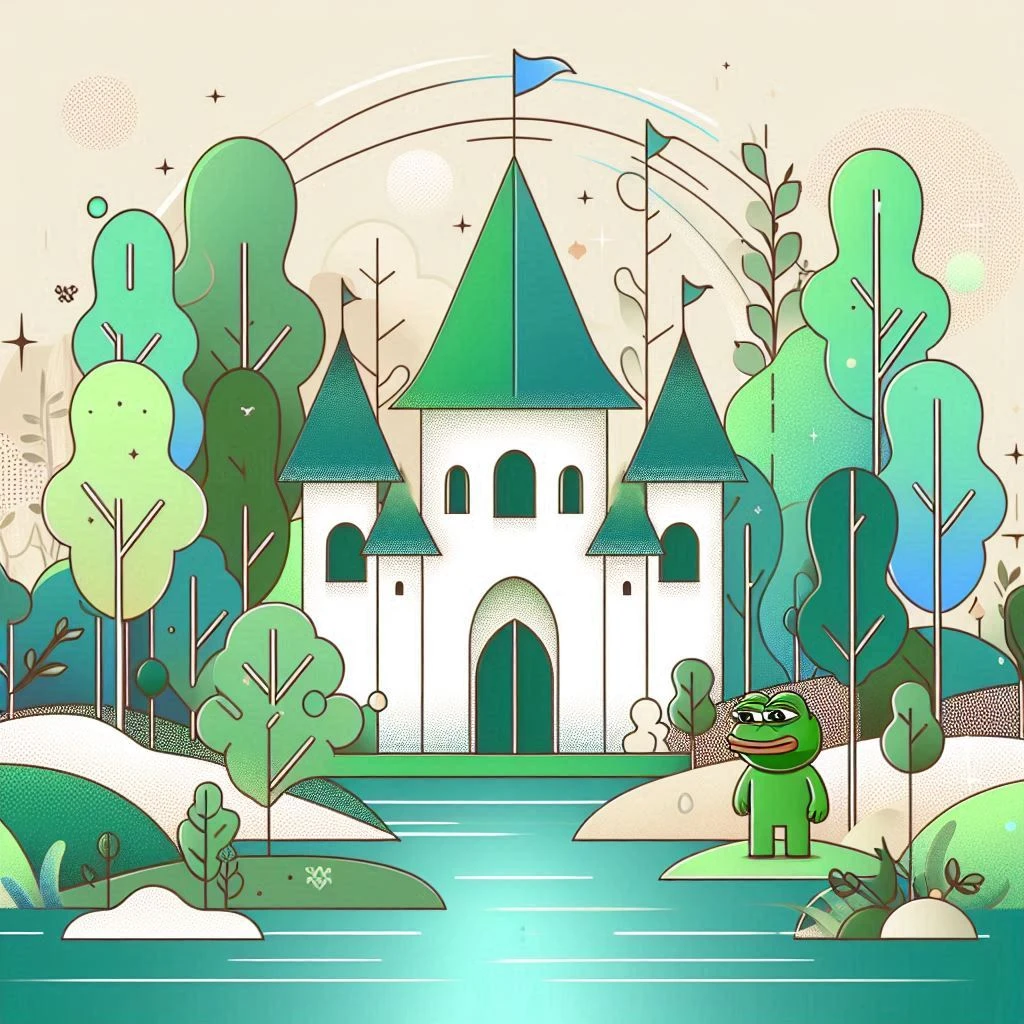
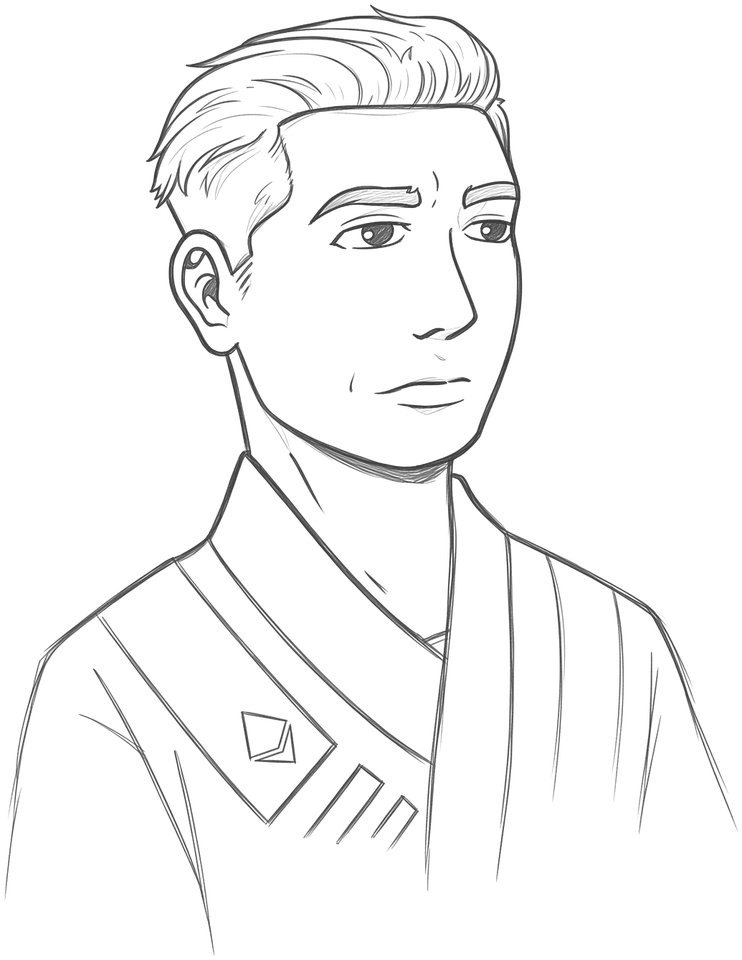
Plate I. Every Journey Begins With A First Step. Hand-drawn in Pepe paint.
My name is Yougurt. I'm a member of the Book of Ethereum community, and I'm responsible for some of the builds that Book of Ethereum community has put out over time. I'm a devout believer. I love everything that Ethereum is doing. I particularly love the direction that anyone can take regarding NFTs.
My residence is a simple way to show some NFTs. Meme culture in a simple visual form.
Ethereum has enabled so much uniqueness online. Imagining stuff, creating stuff, building, deploying etc, and I think that's what NFTs represent in some way.
But what it shows, for me, is that on a great tapestry in front of us, there really are no bounds. You can set the tone. You can set the theme, you can set the pace, the mood, the atmosphere. And you can just create stuff.
Creating's what Ethereum enables on the blockchain. It enables distribution, it enables economic action, it enables economic incentives. It enables economic participation. It enables a way for people from all walks of life to all come together into one very similar themed environment and do shit together.
There's a very bright tapestry out there that we can walk, weave, and win together on.
And it's really awesome that we're allowed to just do shit together. It's the creators, the contributors, the builders, the believers, the curators, the collectors, visionaries, thought leaders, the academics, the guys with a desktop or a laptop who want to just write some fucking code and build something. Build something really fucking fun and useful. Build something absolutely of zero use that still gets picked up by the broader community of similar believers and similar visionaries and similar thinkers.
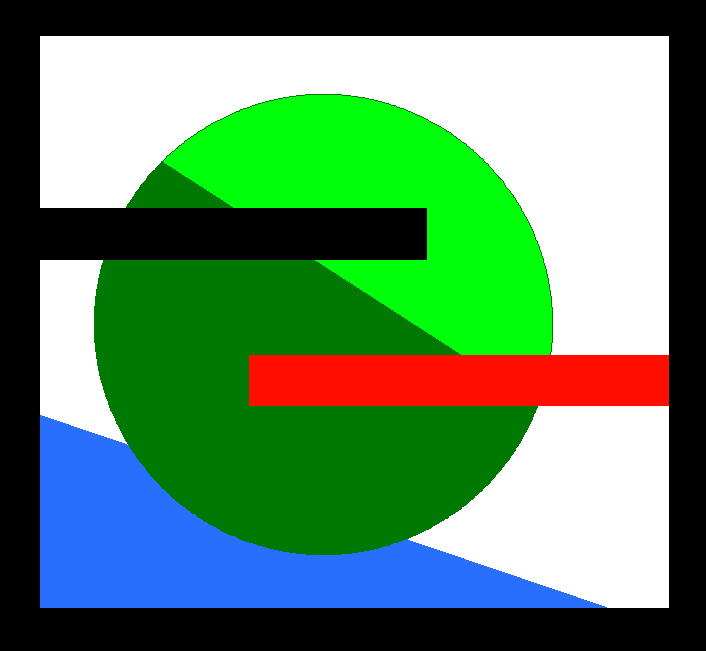
And that, I think, is what NFTs really represent, is that you can just go and create stuff. It doesn't need to follow any convention. Pepe standing in a multicolored field can mean anything to anybody, many things to many people. But to me, it shows that there's a very bright tapestry out there that we can walk, weave, and win together on. And that's a defining statement for me.
Pepe's castle.
Page IIEthereum and the broader ecosystem
Ethereum and the broader ecosystem allowed and enabled many different paths to emerge. NFTs are just one of them. And NFTs come in many different flavours and sizes and shapes. Some of it's art. Some of it's smart contracts. Some of it's liquidity positions. Those are all NFTs.
I think the underlying technology is really, really incredibly useful. It's very, very useful for people to understand from a contributor's perspective, from a collector's perspective, from a speculator's perspective. NFTs are not going away, and I think NFTs are really the backbone of how we share things.
If I create a collection of something, it's visually represented as an NFT. If I create a token ecosystem, NFTs can define my participation. Do I want to allow participation from many others, many other entrants? Yeah, so they have to come in through the NFT route.
Page IIIFinal thoughts
Again, anyone can just build stuff, you can buy stuff others create, or simply participate in community by being there saying your GM's. That's why I built this book, The Ledger.
And I guess speaking for many other booelievers, because this is a community initiative. It represents my invitation to anyone who is building Ethereum products, protocols, articles, papers, NFTs, art, ecosystems, tokens, anything. Come and have a say in what you do. Come and have a say about what you think, what you feel. Why is Ethereum important to you? That's what the residency is here to build.
There's a living ledger of everyone's ideas and thoughts, all collected in one place, that we can all reference, that we can all cite.
So, thanks for taking the time to read through my residency. I hope you've enjoyed it.
Ξ
Where the work lives
A member of the Book of Ethereum community, responsible for some of the builds it has put out over time. A devout believer.
Between residents the book lies open at this page. It holds what was said about the pages just bound into the Archive, lifted from wherever they were shared, each with where it came from, and the ideas people sent for who should come next.
Most in the Ethereum ecosystem, or blockchain as a whole, know there is so much varying content, opinions, ideas, collabs etc, that keeping track of everything is a pretty tough task.
The Ledger isn't meant to hold EVERYTHING, but it does allow anyone to come and have a record of what they feel passionate about, and why, in their own words or sources. Or write some idea and opinions about the current or projected landscape, economics, culture or whatever they feel is relevant.
Every resident who contributes will have a permanent place in The Ledger. As it grows, we will see a historical snapshot of each arm, layer or fork in the industry we consider interesting.
Those in residence will have The Ledger for a few days as its main focus. Then occupy the Archive for some time, allowing others to contribute.
Between residents, a record of reflections can be recorded, anon or attributed to you personally or pseudonymously, whatever you choose, even nothing at all.
Anyone can apply to write a page. It is free, always, for everyone.
A resident holds the main page of the book for three to five days. Then their pages are bound into the Archive, in the order they were written.
Every page belongs to its resident: their words, their work, their credit. The book holds the page, and points the way to where the work lives.
Ξ
A page could hold
NFT art
Protocol thinking
EIP ideas
Long-form writing
Economic thought
The one rule
Never shill tokens or promote unkindness towards any person or protocol or political ideal or sex creed colour. Simply be fair to your fellow human. The rest is open book.
“As it grows, we will see a historical snapshot of each arm, layer or fork in the industry we consider interesting.”from the Preface
Ethereum changes by forks. At one agreed moment, every node starts running new rules together. Since Berlin in 2021, each of those upgrades has carried the name of a city where Ethereum's builders once gathered.
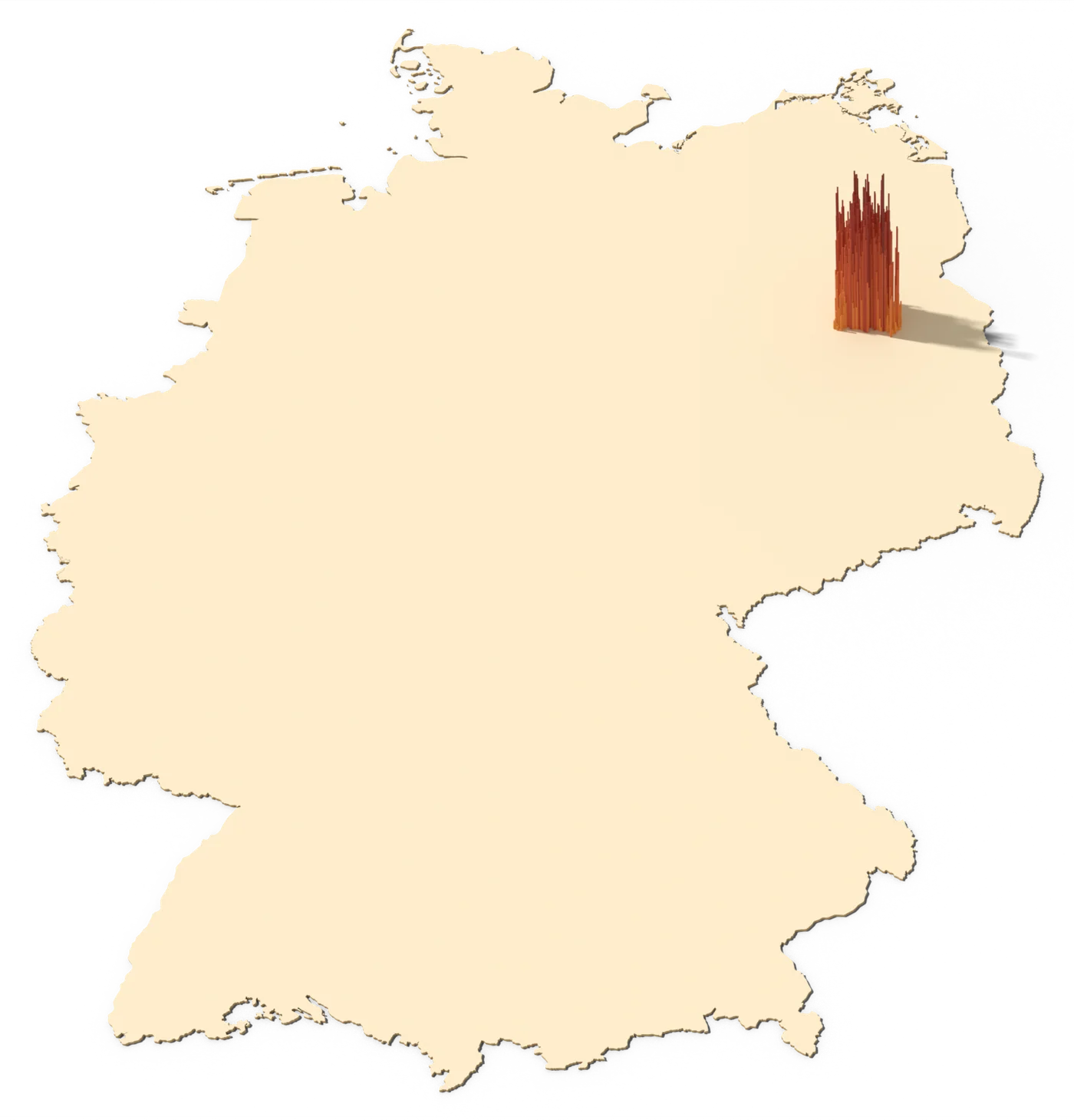
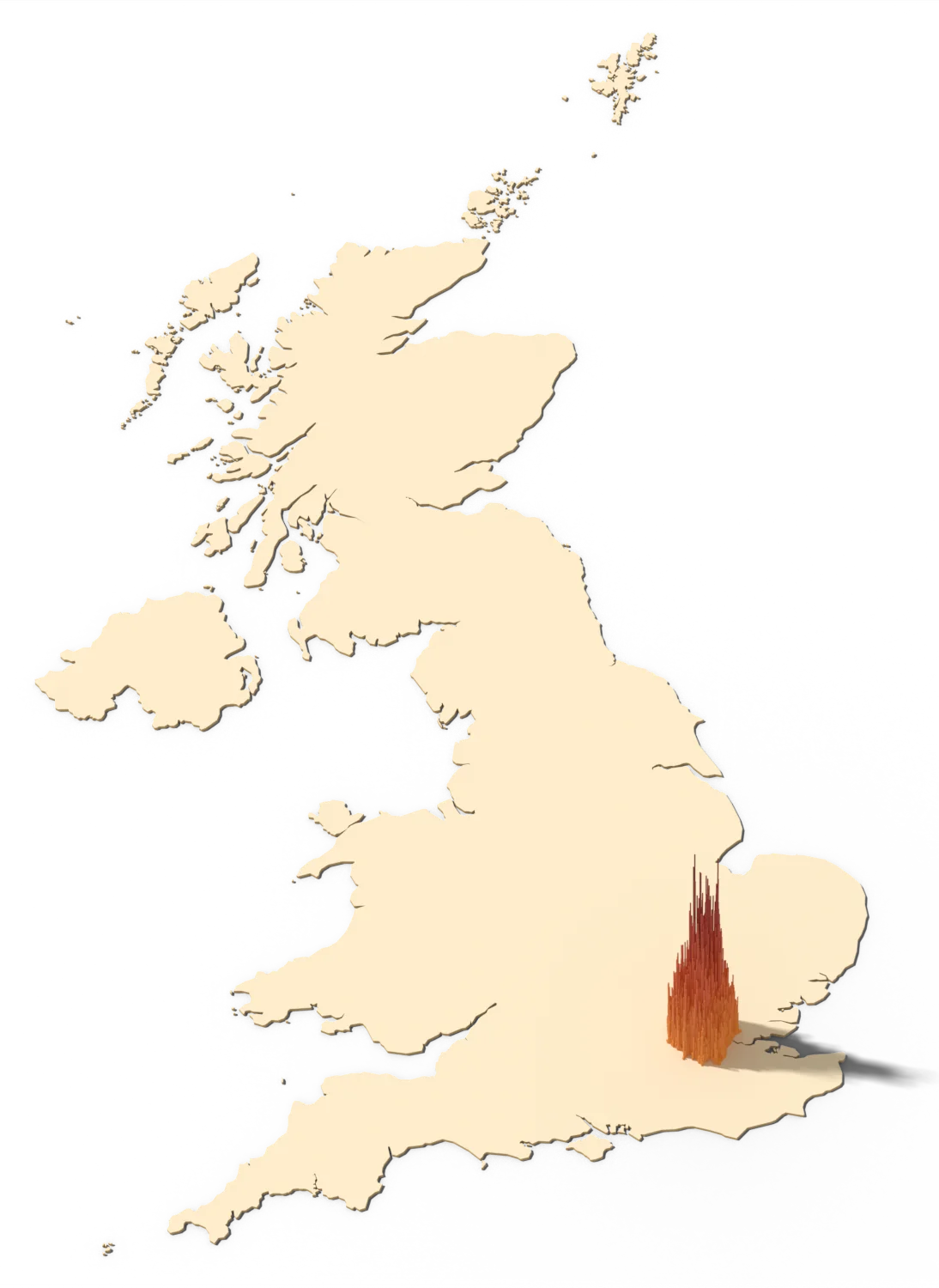
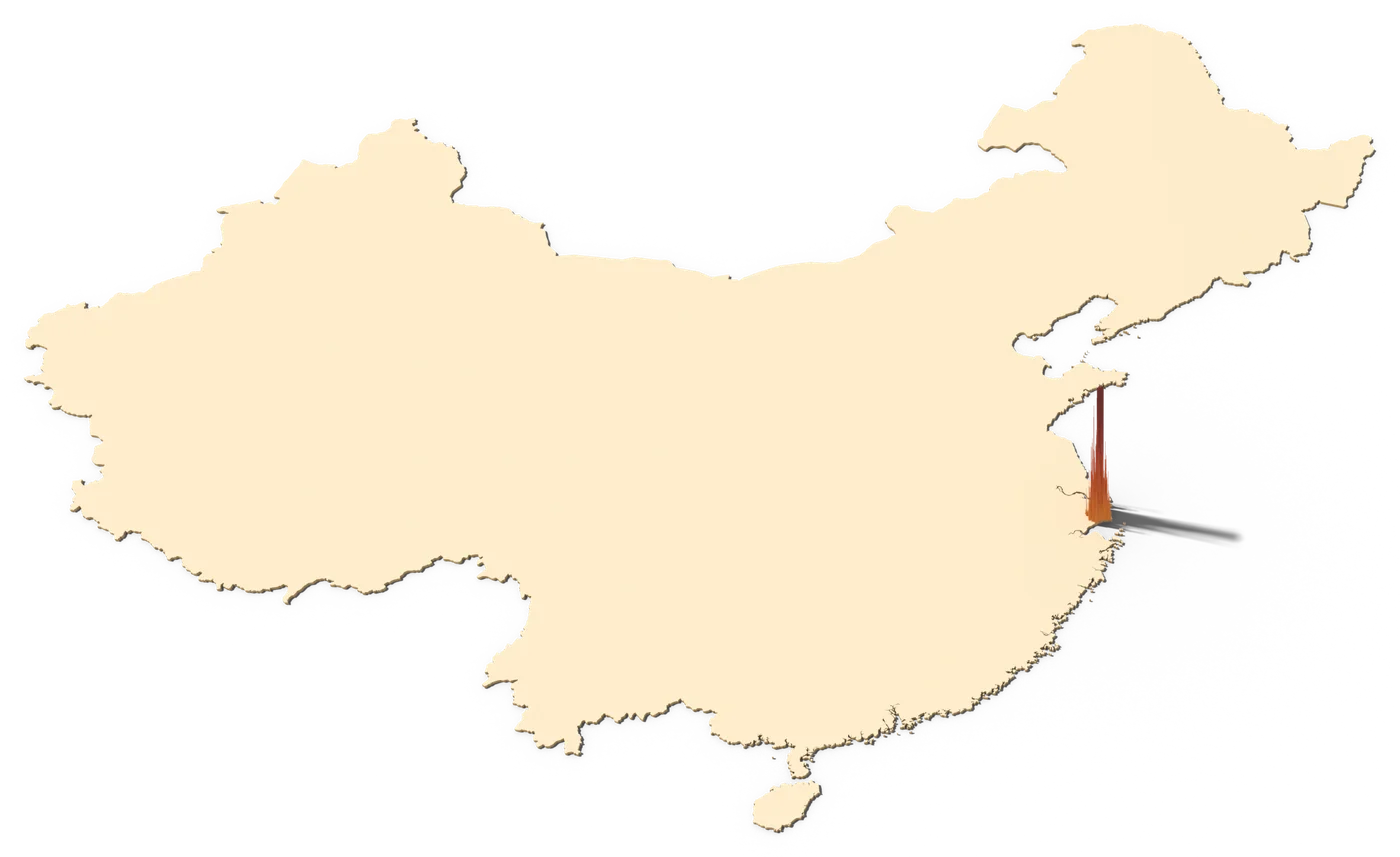
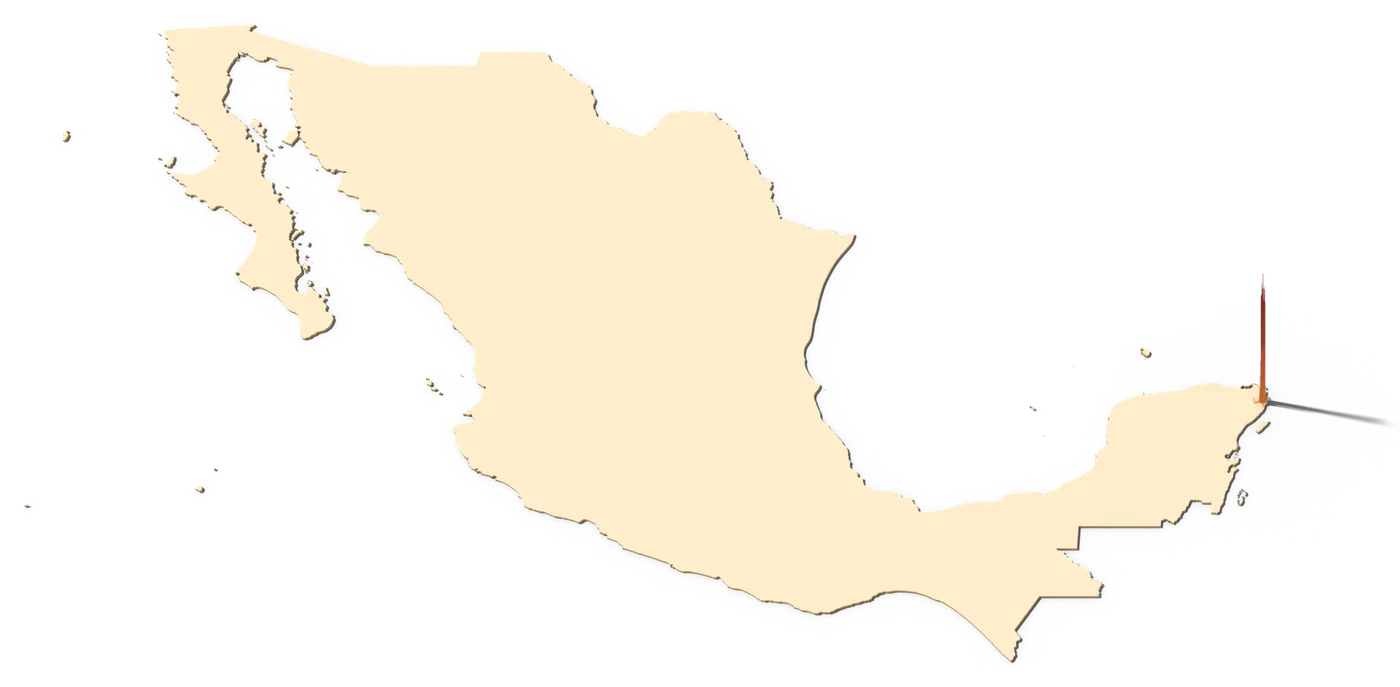
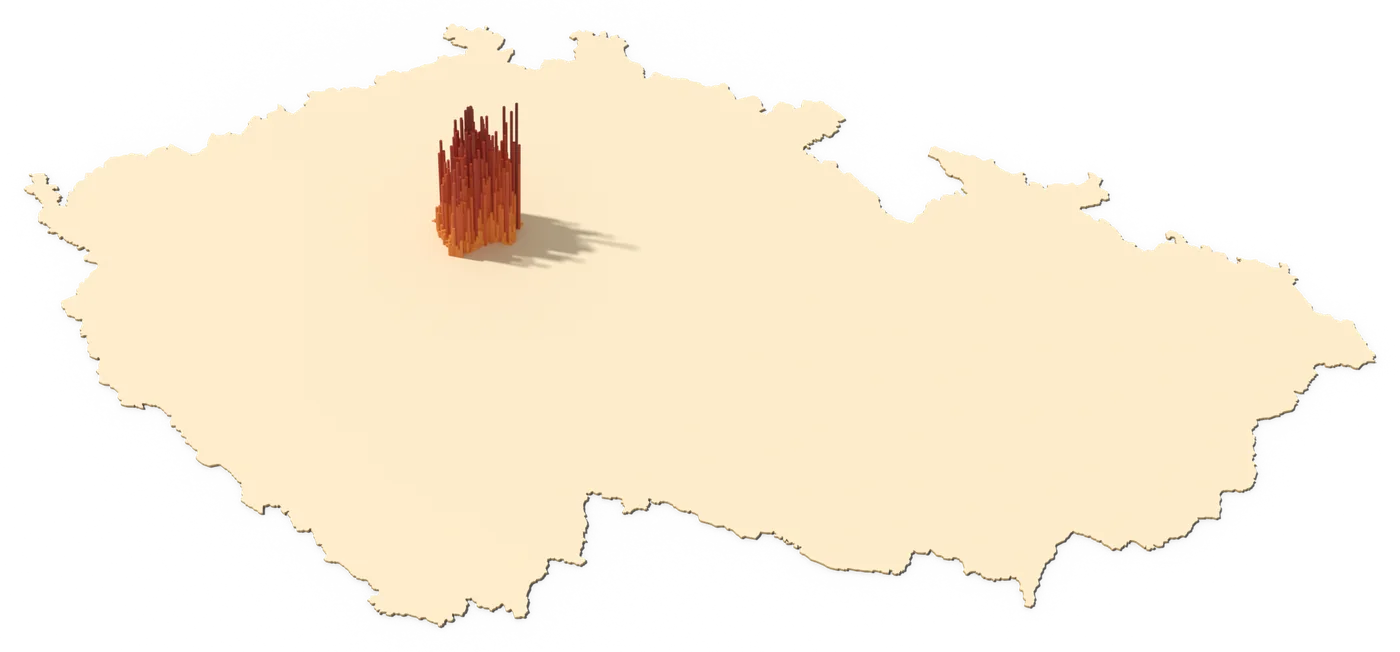
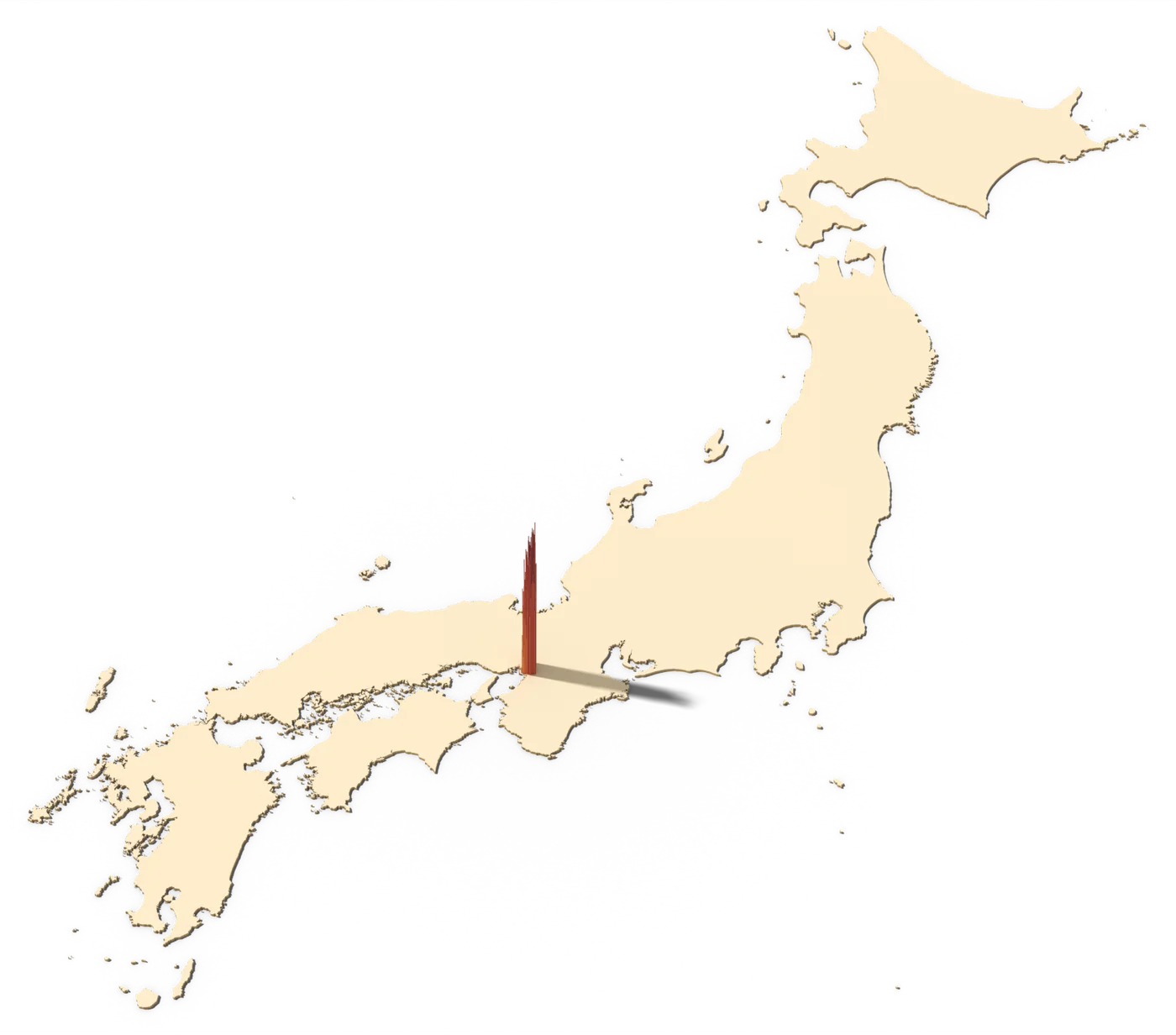
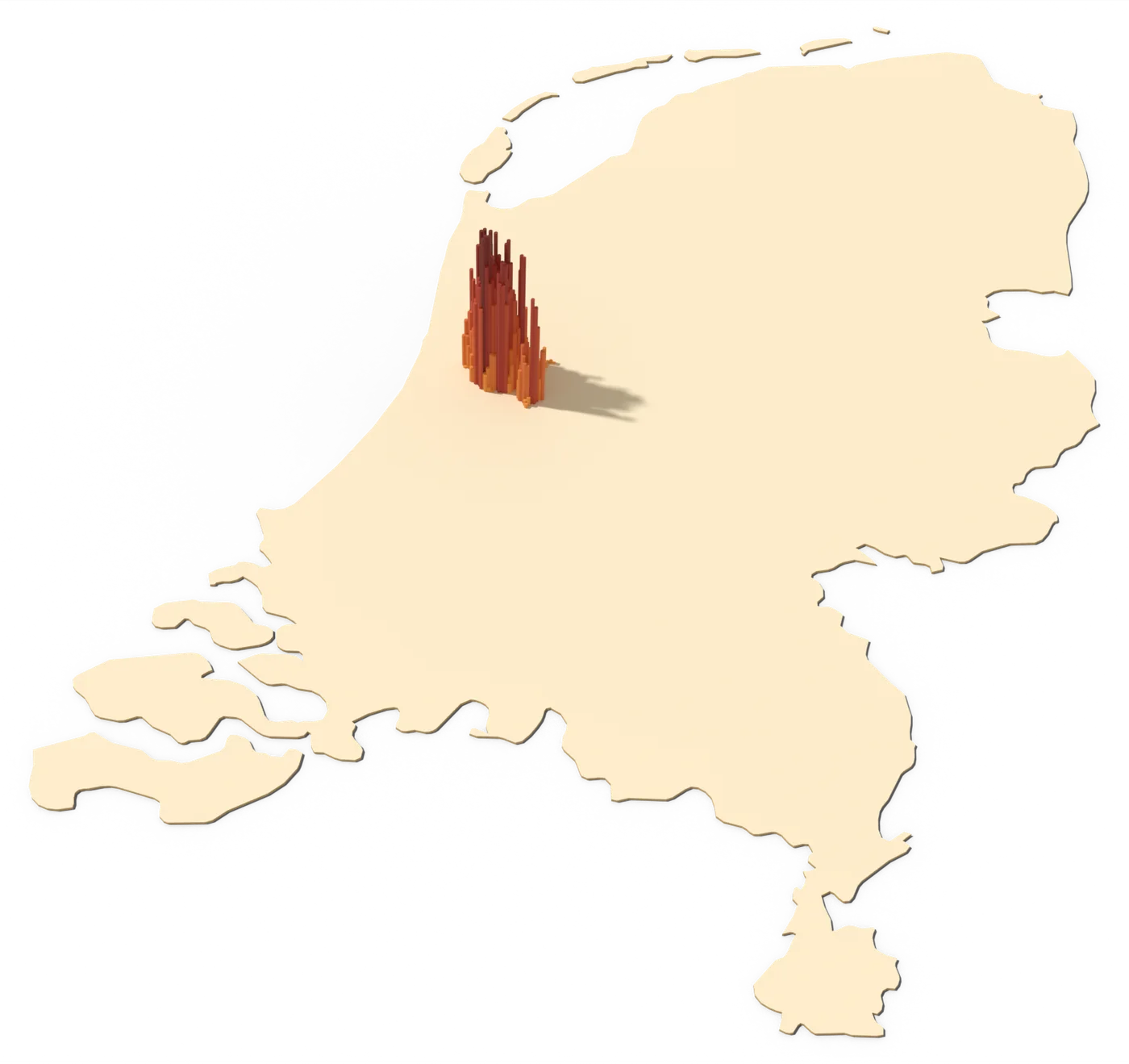
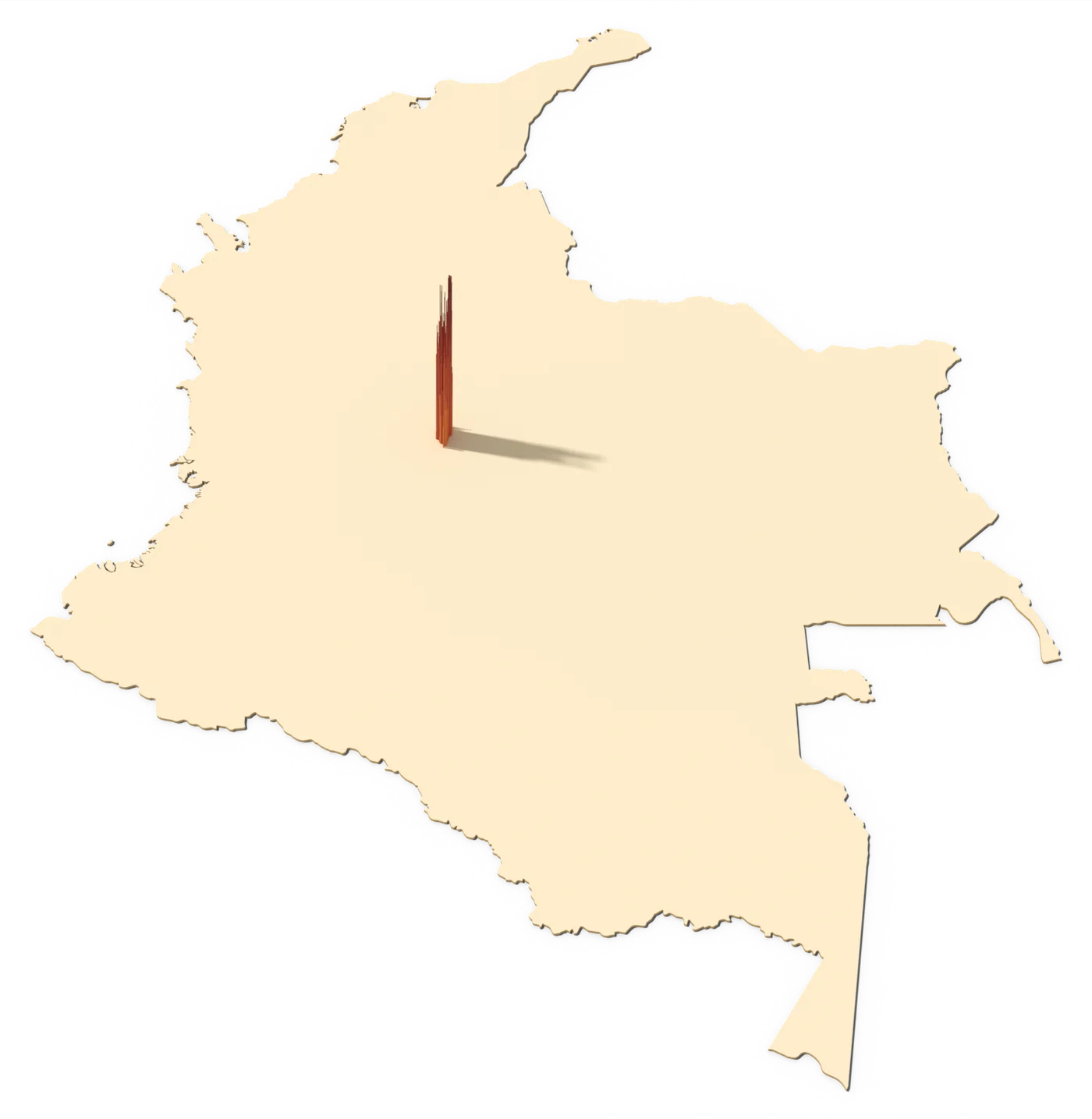
Each note says what the fork was and why it happened, in plain words, and what happened on the day it went live. Each city is drawn as its people: the whole country lies flat, and only the fork city rises.
Ethereum had answered the 2016 denial-of-service attacks by repricing the opcodes that made them cheap, and it had not finished the job. Reading an account or a storage slot still cost the same whether it was the first read in a block or the hundredth, while the work a node actually does on that first read is far larger. That gap was the last cheap way left to make the network expensive.
What it did
Berlin closed it. The first touch of an account or a storage slot now costs more than any later touch of the same one, which prices the read closer to the work it causes.
The fork also did something quieter that every later upgrade leans on: it gave transactions a typed envelope. Before Berlin a transaction had one shape, and adding a new kind meant breaking software that assumed the old one. After Berlin a new type could simply be added, and London's fee-market transaction, Dencun's blob transaction and Pectra's delegation all arrived through that door. Access lists came with it, letting a transaction declare in advance which accounts and slots it expects to touch, and pay less for them.
This is also where the naming starts. From Berlin onward, execution-layer upgrades take the name of a Devcon host city. It shipped without a meta EIP of its own, and the index of what was actually in it was backfilled in December 2023, more than two years after the fact.
The day it went live
Block 12,244,000
15 April 2021, 10:07:03 UTC.
Mined by Hiveon Pool
Before The Merge, blocks were mined and nobody voted.
Fees were set by a first-price auction. Everyone guessed what to bid, most people overpaid, and when a block filled the guessing got worse. What you paid bore only a loose relationship to how busy the chain was, and a wallet had no number it could read to find out.
What it did
London replaced the auction with a base fee the protocol sets itself. It rises while blocks are full and falls while they are empty, so the price tracks demand rather than nerve. You pay that base fee and the protocol destroys it. Whatever you add on top is a tip, and the tip is what the builder of the block keeps. A wallet no longer has to guess, because the base fee is a number it can read, and so can a contract.
Burning the base fee made this the largest change to ether's monetary policy before The Merge: fee pressure now reduces supply. The same upgrade cut the refund that used to be paid for clearing stored data.
It did not arrive quickly. The specification is dated April 2019 and London activated in August 2021, two years and four months later, which is among the longest gaps between a proposal and its fork anywhere in this book.
The day it went live
Block 12,965,000
5 August 2021, 12:33:42 UTC.
Mined by Kryptex
Its first block burned 0.030 ETH, at the opening base fee of 1 gwei.
The Merge deliberately left something out. Moving Ethereum from mining to staking was the largest change the chain had attempted, so it was isolated: consensus changed and nothing else did. Withdrawals were held back on purpose, so that if anything went wrong there would be one variable to look at. The consequence was that from the deposit contract in October 2020 until this fork, staked ether went in and none came out.
What it did
Shapella opened the other direction and finished the switch. Stake can move from the staking system back to an ordinary account, and the way it moves is unusual: a withdrawal is not a transaction anyone sends. The protocol credits the account itself. A validator that keeps running has its rewards paid out as they accrue, and a validator that exits gets the whole stake back.
This was the first upgrade after The Merge to change both halves of Ethereum at once, which is why it carries two names. Shanghai is the execution half and Capella the consensus half, and the ecosystem contracted them into one word almost immediately. Capella activated at epoch 194,048.
Three smaller execution changes rode along, all of them for people who write contracts: an instruction that pushes a zero, the block's fee recipient treated as already read so that paying it escapes the cold charge Berlin introduced, and a gas cost on the length of new contract code.
The day it went live
Block 17,034,870, epoch 194,048
12 April 2023, 22:27:35 UTC. The fork's first two slots passed empty; its first block came 24 seconds after the fork.
545,155 of 563,053 validators voted in its first epoch
Rollups execute transactions somewhere else and post the data back to Ethereum so that anyone can check them. Until this fork they posted it as ordinary calldata, which every node keeps forever and which is priced against every other use of the chain. Rollups were paying permanent-storage prices for data nobody needs permanently.
What it did
Dencun gave them somewhere else to put it. A blob travels attached to a transaction but outside it: the virtual machine cannot read a blob, nodes hold it for about eighteen days and then drop it, and it is priced in a market of its own instead of competing with ordinary gas. The opening target was three blobs a block and the maximum six. What a rollup pays for data fell sharply.
The idea has a long paper trail, and all of it is listed under Sources and credits. The rollup-centric roadmap turned Ethereum away from execution sharding in October 2020. The case for data availability sampling was public by April 2021, Endgame followed that December, and the specification was published in February 2022. Dencun activated in March 2024, three years and five months after the essay that reoriented the roadmap.
Two smaller changes came with it: a contract can read the most recent beacon-chain block root, and there is now storage that lives for one transaction and is gone at the end of it. Deneb, the consensus half, activated at epoch 269,568.
The day it went live
Block 19,426,587, epoch 269,568
13 March 2024, 13:55:35 UTC.
950,693 of 978,140 validators voted in its first epoch
Three pressures arrived at once. Wallets were still asking people to sign an approval and then a payment as two separate transactions. Anyone running many validators had to exit and redeposit in order to consolidate them. And rollups wanted more blob capacity than Dencun's three, with PeerDAS still some way off.
What it did
Pectra answered all three. An ordinary account can now point at contract code, which means the account someone already has can behave like a contract wallet for the length of a transaction, so an approval and the payment that follows it become one step. The maximum balance a single validator may carry went up, and an operator can merge validators through the protocol instead of exiting and starting again. The blob target and maximum rose to six and nine.
The account-delegation specification is dated May 2024 and the fork activated a year later, in May 2025. Electra, the consensus half, activated at epoch 364,032, and the meta EIP lists a good deal more than the three changes named here.
The day it went live
Block 22,431,084, epoch 364,032
7 May 2025, 10:05:11 UTC.
948,772 of 1,068,678 validators voted in its first epoch
Blobs solved the price of rollup data and created a new problem in its place. If every node must download every blob to be sure it was published, then raising the blob count raises what it costs to run a node, and the people running one at home are the first to drop off. Capacity and decentralisation were pulling against each other.
What it did
PeerDAS separates them. A node asks its peers for scattered pieces of a blob rather than the whole thing, and still comes away with a sound answer about whether the data was there. Nobody holds all of it and the guarantee survives, which is what lets the network carry more blob data than any single node could store.
The fork also shipped a mechanism for raising capacity on a schedule instead of waiting for the next feature fork, and two of those followed within weeks: blob targets went from six and nine to ten and fifteen in December 2025, and to fourteen and twenty-one in January 2026.
The technique was described long before it shipped. The case for sampling was public in April 2021, four and a half years ahead of the fork that carried it. Fulu, the consensus half, activated at epoch 411,392.
The day it went live
Block 23,935,694, epoch 411,392
3 December 2025, 21:49:11 UTC. The fork's first slot passed empty; its first block came twelve seconds later.
940,253 of 995,922 validators voted in its first epoch
The night afterFusaka Mainnet Prysm Incidentthe Prysm team, Prysm post-mortems, 4 December 2025A bug in one client took the vote as low as 75% before it was fixed.
Blobs scaled the data. The base layer itself did not. Once rollups had cheap room to post into, the constraint moved back to how much Ethereum can execute, and to who is able to build a block at all.
What is planned
Glamsterdam is the fork aimed at that. It went live on the Sepolia test network on 6 October 2026. On mainnet it is not live, and no date or block has been fixed, which is why both are left blank on this page instead of estimated. The meta EIP that lists its contents is in Review and not Final, so what follows may not be what ships.
Two changes head the list. One is enshrined proposer-builder separation. Proposing a block and assembling its contents are already two jobs, but the split between them lives in software sitting outside the protocol; enshrining it moves the split inside, so that a proposer needs no special hardware to take part. The other is block-level access lists: a block declares every account and storage slot it touches, so the work can be split and run side by side. Nothing on the list has activated on mainnet.
ethereum.org gives the last quarter of 2026 as its window, and says the date is not confirmed.
The day it goes live
Block
Date
of validators voted in its first epoch
The day
When it ships, this note is rewritten and moves up into The forks.
A block is assembled by whoever builds it, and a builder can leave a valid transaction out. Nothing in the protocol today compels its inclusion. As block building concentrates into fewer hands, that omission becomes the practical shape of censorship on Ethereum.
What is planned
Hegotá is where the answer is being worked out, and it is further out and less settled than Glamsterdam. Its meta EIP is still a Draft and names no date and no block on any network.
Two changes are now scheduled for it. The first is fork-choice enforced inclusion lists: a committee of validators would be able to insist that particular valid transactions appear in a block, so that a single builder could not leave them out on its own. The second is a new kind of transaction, the frame transaction. Everything else on its list is still being weighed.
ethereum.org writes its name Hegotá, after Bogotá and the consensus-layer name Heze.
The day it goes live
Block
Date
of validators voted in its first epoch
The day
When it ships, this note is rewritten and moves up into The forks.
Ethereum's own sources come first: ethereum.org, the Ethereum Foundation's blog, the EIPs and the protocol's own specifications. Each fork's first block and its validators' votes are read from the chain itself. Anything else is secondary, and is named below wherever a note leans on it.
The votes
A fork is not put to a vote: client teams agree it on the All Core Devs calls, and node operators install it. What validators vote on is every block. Each figure is the votes for a fork's first 32 slots, counted from the blocks themselves through a public beacon node: one vote per validator, however many times it was carried. Berlin and London came before The Merge, when blocks were mined and nobody voted; their line names who mined the first block, from the block's own signature. A planned fork is filled in on the day it goes live, counted the same way.
The pieces
Linked, never reproduced: the title, who wrote it and when. A second piece appears only where something significant happened after the fork went live.
EndgameVitalik Buterin, 6 December 2021; used for Cancun
The dates of these three essays are their own. The pieces on each fork's page, from The Block, CoinDesk and Prysm's own post-mortem, are secondary too. Checked 8 October 2026.
Each resident holds the main page for three to five days. Then their page is bound into the Archive in the order it was written, and the book grows a little thicker.
Set in Cormorant Garamond and EB Garamond, with notes in La Belle Aurore.